How to Stay Active in Cold Weather Without Dreading It
Knowing how to stay active in cold weather mostly comes down to three things: dressing for the conditions, warming up longer than you would in summer, and having an indoor backup plan for days when outdoor movement feels like too much. Dark mornings, icy sidewalks, and the pull of a warm couch make it easy for routines to slip between late autumn and early spring. That slide is very common, and it usually has little to do with willpower.
Here is the situation many people describe: the workout clothes feel less inviting, the commute home is already dark, and the first few minutes outside are uncomfortable enough to talk yourself out of the whole thing. Skipping a day turns into skipping a week. Fixing this works best in order, starting with what is actually in the way, then making small changes right away, then building habits that hold up through the season.
Because this touches on health, a quick note: this article is general information. Cold exposure and exercise affect people differently, especially those with heart, lung, circulation, or joint conditions.
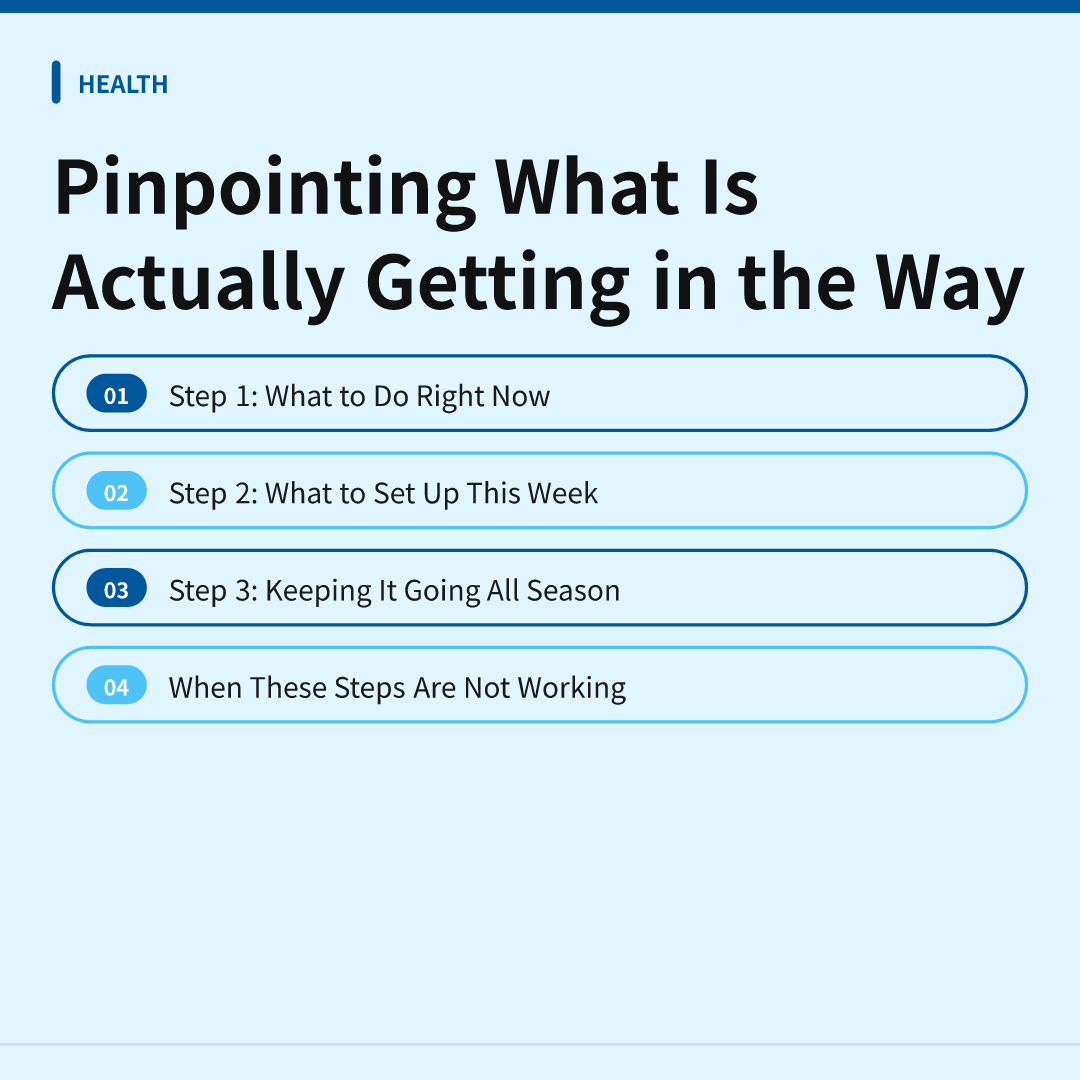
Pinpointing What Is Actually Getting in the Way
Before changing anything, it helps to name the real obstacle. Cold-weather inactivity tends to come from a handful of causes, and each one has a different fix.
- Physical discomfort: cold air on the face, stiff muscles, or numb fingers make the start of a session unpleasant.
- Darkness and schedule: shorter daylight changes when and where movement is realistic.
- Safety worries: ice, snow, and poor visibility are legitimate concerns, not excuses.
- Motivation and mood: many people notice their energy and enthusiasm dip in darker months. If low mood is persistent, that is worth raising with a professional.
- Health conditions: some conditions, such as asthma or certain heart and circulation problems, can make cold air harder to handle.
According to the CDC's general guidance on cold weather and exercise, the cold itself does not have to stop physical activity, but preparation matters, and some people need to be more careful than others. Spend a minute deciding which of the items above sounds most like you. The steps below are arranged so you can adapt them to that answer.
Step 1: What to Do Right Now
The goal of this first stage is to lower the barrier for your very next session. You do not need a new program. You need a few quick changes that make moving feel easier today.
- Dress in layers. What: Think in three layers: a moisture-wicking base, an insulating middle, and a wind- or water-resistant outer layer. How: Choose breathable fabrics and avoid cotton against the skin when you expect to sweat. Why: Layers let you adjust as your body warms up, and damp clothing can leave you chilled once you slow down. The National Institutes of Health and CDC both describe layered clothing as a common approach to cold-weather comfort.
- Protect the extremities. What: Cover your hands, ears, head, and feet. How: A hat, gloves or mittens, and warm socks are the usual starting point, and a scarf or neck covering can make cold air easier to breathe. Why: Fingers, toes, and ears tend to lose warmth first, and the CDC notes that these areas are common sites for cold-related injuries.
- Warm up indoors first. What: Spend extra time on gentle movement before stepping outside. How: Easy marching in place, arm circles, leg swings, and light stretching are common choices. Why: Muscles and joints often feel stiffer in the cold, and many people find a longer warm-up makes the first outdoor minutes far less jarring.
- Pick the right time of day. What: Choose the part of the day that is lightest and mildest where you live. How: For many people that is midday, even if it means a short walk during a work break. Why: Better visibility and slightly warmer air make outdoor activity more comfortable and safer.
If you are unsure whether outdoor activity is right for you, especially with a heart, lung, or circulation condition, it is reasonable to ask a clinician before heading out in very cold conditions.
Step 2: What to Set Up This Week
Once the immediate friction is lower, the next few days are a good time to build a simple structure. The idea is to make activity a default instead of a daily negotiation.
- Create a two-option plan. What: Decide on one outdoor option and one indoor option for the same time slot. How: For example, a brisk walk if conditions are fine, or a home routine, a gym session, or a video-guided workout if they are not. Why: Having a backup removes the all-or-nothing thinking that often derails cold-weather routines.
- Check conditions and surfaces. What: Look at the forecast and wind chill before going out. How: Notice not just temperature but wind, wet conditions, and whether sidewalks or trails are icy. Footwear with good traction is commonly recommended for slippery surfaces. Why: The National Weather Service describes wind chill as how cold it feels on exposed skin, and it can matter more than the number on the thermometer.
- Make visibility a habit. What: Be easy to see when it is dark or overcast. How: Reflective gear, a light, and brighter clothing are widely suggested for people walking or running near traffic. Why: Shorter days mean more activity happens in low light, when drivers may not see you as easily.
- Schedule it like an appointment. What: Put movement on the calendar. How: Pair it with something already in your routine, such as after work, with a friend, or during a favorite podcast. Why: Many people find that a fixed time and a bit of accountability make showing up easier than relying on mood.
Staying hydrated and fueled
Thirst can be less noticeable in cold air, but the body still loses fluid through sweat and breathing. Many people find that having water or a warm, non-alcoholic drink after activity is a comfortable habit. Alcohol is often mentioned in cold-weather safety guidance because it can give a false sense of warmth, so it is generally not considered a good way to warm up.
Step 3: Keeping It Going All Season
The third stage is about consistency. Motivation naturally rises and falls, so the aim is to build routines that do not depend on feeling inspired.
- Lower the bar on hard days. What: Allow a shorter or gentler session to count. How: A brief walk, some stretching, or a few minutes of movement around the house all still keep the habit alive. Why: General public health guidance, including from the CDC, emphasizes that some movement is better than none, and that activity can be built up gradually.
- Mix up your activities. What: Add variety so one forecast does not decide your week. How: Combine outdoor walking with indoor options such as swimming, dance, yoga, strength work, or climbing at a local facility. Some people also enjoy seasonal activities like skating, snowshoeing, or skiing. Why: Variety can keep things interesting and spreads the physical load across different muscles.
- Use light and mood to your advantage. What: Try to get outside in daylight when it is practical. How: Even a short midday walk counts. Why: Many people feel better after time outdoors during darker months. The National Institute of Mental Health notes that seasonal changes can affect mood for some people, which is one more reason to keep gentle movement in the mix.
- Find company. What: Build in social support. How: A walking partner, a class, a community group, or a friendly challenge can all help. Why: Commitments to other people often hold up better than private intentions.
- Recover well. What: Change out of damp clothes promptly and let your body warm up gradually. How: Dry layers and a warm space are the usual approach. Why: Staying in sweaty clothing in the cold can leave you uncomfortably chilled.
Who should be extra careful
Cold air can be harder on some people than others. Those with asthma or other lung conditions, heart disease, high blood pressure, poor circulation, or conditions affecting sensation in the hands and feet are often advised to talk with a clinician about cold-weather exercise. Older adults and young children can also lose body heat more quickly, so extra care is commonly recommended. Pregnant people and anyone taking medications that affect heart rate, circulation, or temperature regulation may also want individual guidance.
Signs your body is telling you to stop
According to the CDC's cold-weather safety information, warning signs of the body losing too much heat can include intense shivering, confusion, slurred speech, unusual drowsiness, and clumsiness. Skin that turns pale, waxy, or feels hard and numb can be a sign of frostbite. These situations call for getting somewhere warm and seeking medical help. If someone seems severely affected, emergency services are the right call.
When These Steps Are Not Working
Sometimes a solid plan still stalls, and that is useful information rather than a personal failing. A few patterns are worth taking seriously.
- Breathing or chest symptoms: Chest tightness, wheezing, unusual shortness of breath, or chest pain during or after activity in the cold deserves prompt medical attention. Do not wait it out if symptoms are severe or sudden.
- Numbness, color changes, or pain in fingers and toes: If hands or feet repeatedly turn white, blue, or painful in the cold, or do not recover normally after warming, a clinician can look into the cause.
- Dizziness, fainting, or irregular heartbeat: These are reasons to stop and speak with a medical professional before continuing.
- Joint or muscle pain that lingers: Ongoing pain, swelling, or an injury from a slip or fall is worth having checked rather than pushed through.
- Persistent low mood or loss of interest: If darker months leave you feeling down for days at a time, struggling to function, or withdrawn from things you usually enjoy, a doctor or mental health professional can help you sort out what is going on and what support might fit. If you ever feel unsafe or are thinking about harming yourself, contact local emergency services or a crisis line right away.
- Chronic conditions or new medications: If you manage a long-term condition, a doctor, nurse, or physical therapist can help you decide what level and type of cold-weather activity suits you.
If you simply cannot get going despite trying different times, activities, and supports, a primary care clinician, physical therapist, or certified fitness professional can help tailor a plan to your body, schedule, and goals. Bring up any specific barriers, such as pain, fear of falling, or equipment questions, so the plan fits your real life. Knowing how to stay active in cold weather looks different for everyone, and getting qualified input is a sensible step when the usual approaches are not enough.
Disclaimer: This article is for informational purposes only and is not a substitute for professional medical advice, diagnosis, or treatment. Please consult a licensed professional for personal health decisions.
Related reading: How to Stay Active in Hot Weather Without Overdoing It