How to Stay Active During Long Commutes
Figuring out how to stay active during long commutes starts with a small shift in thinking: the commute is not a dead zone, it is a block of time you can work around. Short bursts of movement before, during, and after the trip, plus a few habit changes at home and work, can add up gradually. Results differ from person to person, and the right approach depends on how you travel, your health, and your schedule.
Long commutes have a way of swallowing the day. You leave early, sit for a long stretch, arrive stiff, sit again at a desk, and then sit your way home. By evening, the idea of exercise feels like a punishment. The good news is that solving this works best in order: understand what the commute is actually doing to your body and routine, make one or two changes right now, build a few habits this week, and then keep it going without burning out.
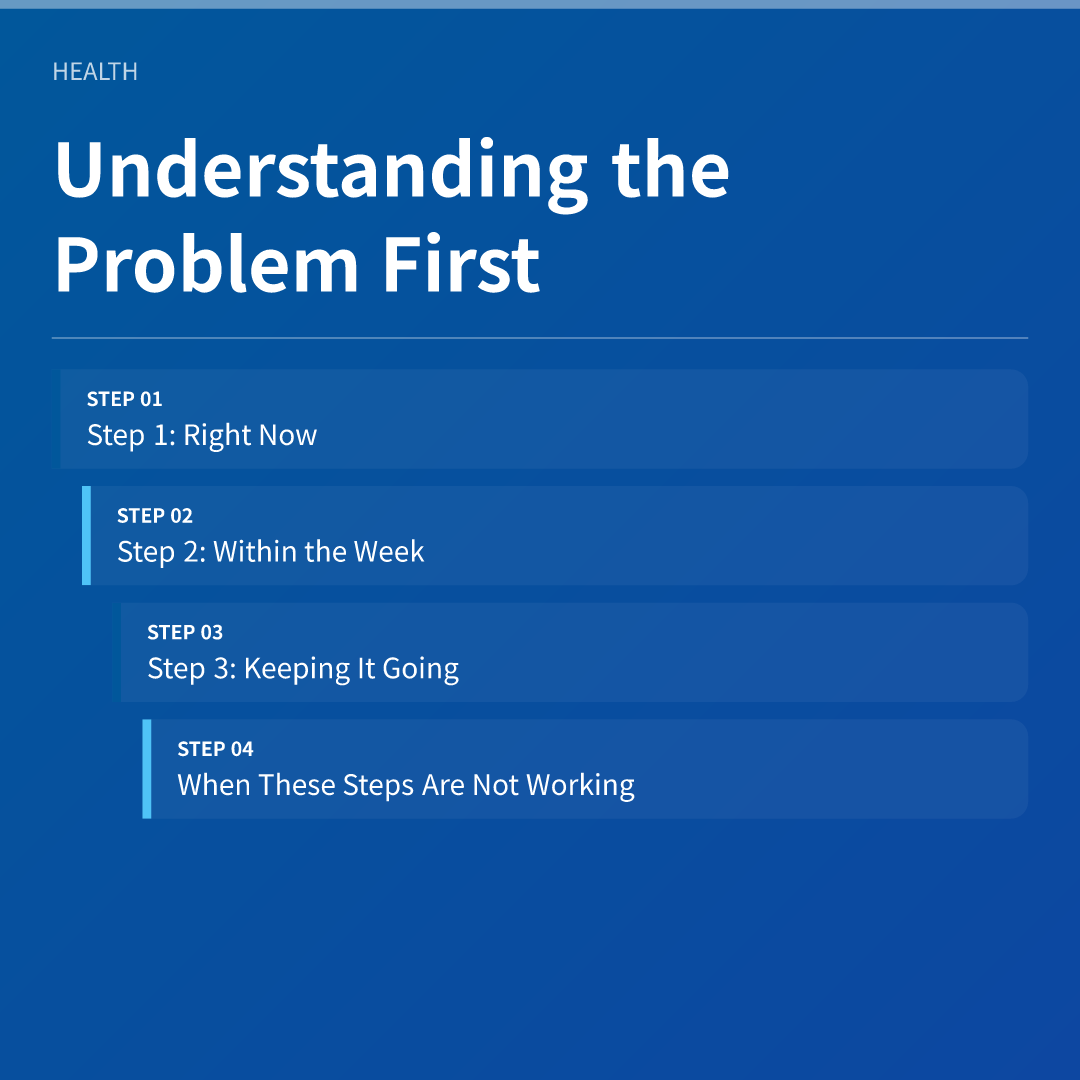
Understanding the Problem First
Before changing anything, it helps to name what is really getting in the way. Most people with long commutes run into some mix of the same issues, and each one points to a different fix.
Where the time and energy go
Long periods of sitting are the obvious issue. According to the CDC's general physical activity guidance, adults are encouraged to move regularly and to reduce long stretches of sitting where possible. Many people also notice that commuting eats the time they would otherwise use for a walk, a gym visit, or an evening class.
There is also an energy piece. After a long trip, tiredness and mental fatigue can make exercise feel like one more demand. Early starts can shorten sleep, which in turn can make activity feel harder. None of this is a personal failing; it is a common pattern.
Know your commute type
The best ideas depend on how you travel. A few common situations look quite different:
- Driving alone: You cannot move much while the car is in motion, so activity has to happen at the edges of the trip, such as parking farther away or taking a planned break.
- Train or subway: You may have room to stand, shift your weight, or walk between stops and platforms.
- Bus or shuttle: Space is often tight, so gentle seated movements and walking to or from the stop are the main options.
- Mixed or multi-leg trips: Transfers can become built-in walking time if you plan for them.
Safety comes first in every case. If you are driving, movement belongs only at safe stops, never behind the wheel while the vehicle is moving.
Step 1: Right Now
These are changes that need no equipment, no gym membership, and no schedule overhaul. They can start with your very next commute.
- Stand when you can. How: On a train or bus where it is safe and permitted, choose to stand instead of sitting for part of the ride, holding a rail and keeping your balance. Why: Standing breaks up long sitting time and uses more of your leg and core muscles than sitting does, even though it is a modest change.
- Add a walking buffer at each end. How: Get off one stop early, park a bit farther from the entrance, or take the longer walking route to the station. Why: Many health agencies, including the CDC, note that activity can be spread across the day in shorter segments, so a few extra minutes of walking on each side of the trip is a realistic starting point.
- Try gentle seated movements. How: On public transit, you might roll your shoulders, flex and point your feet, or gently shift your posture every so often. Why: Small movements can help reduce the stiff feeling that builds up after a long sit, though they are not a substitute for real exercise.
- Use a planned break if you drive. How: On a long drive, pick a safe place to stop, step out, and walk around briefly before continuing. Why: General driving-safety guidance from public agencies commonly encourages regular rest stops, which also give your body a chance to move.
A useful rule of thumb: if a change feels like a big project, shrink it until it feels almost too easy. Small and repeatable usually beats ambitious and abandoned.
Step 2: Within the Week
Once the quick wins feel normal, the next layer is about planning. A few evenings of thought can make the following weeks much easier.
- Map your route for movement opportunities. How: Look at your regular trip and note where walking is possible: a longer transfer, a stairway instead of an escalator, a nearby park for a short lap. Why: When opportunities are decided in advance, you do not have to rely on willpower in the moment.
- Pack for movement. How: Keep comfortable walking shoes at your desk or in your bag, along with a water bottle and any small items you need. Why: Friction is a quiet habit-killer. If shoes or gear are not at hand, the walk often does not happen.
- Set a movement cue at work. How: Tie a short walk to something that already happens, like a lunch break, a phone call, or the end of a meeting. Why: Linking a new habit to an existing one tends to make it easier to remember, and it spreads activity through the workday so the commute is not your only chance.
- Check in with your schedule honestly. How: Decide which two or three days are realistic for extra activity, rather than aiming for every day at once. Why: Overcommitting at the start is a common reason people quit within a couple of weeks.
If you take public transit, it can also help to learn which stops have safe, well-lit walking routes, especially at darker times of year. Personal safety matters as much as fitness here.
Step 3: Keeping It Going
The third stage is about making this sustainable. Long commutes do not usually shrink, so the plan needs to hold up through busy weeks, bad weather, and low-energy days.
Build a flexible routine
- Have a smaller backup version. How: Decide ahead of time what you will do on a rough day, such as a short walk instead of a longer one. Why: Keeping the habit alive on hard days matters more than doing the ideal version every time.
- Protect your sleep and recovery. How: Pay attention to how early starts and late returns affect your rest, and adjust expectations accordingly. Why: The CDC's general guidance on healthy living includes adequate sleep alongside physical activity, and tiredness can make any plan harder to follow.
- Use weekends to fill gaps. How: If weekdays leave little room, you might place longer or more enjoyable activity, like a hike, a bike ride, or a class, on days off. Why: General activity guidance is usually framed across a whole week, not a single day, so flexibility is built in.
- Track what you notice, not just what you do. How: Pay attention to how your body, mood, and energy feel over several weeks. Why: Progress is often easier to see in how you feel than in any single number, and noticing patterns helps you adjust.
Consider other ways to use commute time
Some people use the ride itself for low-effort wellbeing: listening to a podcast while walking the last stretch, practicing slow breathing on a train, or simply resting so they arrive less drained. These are optional extras rather than exercise replacements, and what works varies a lot from one person to another.
If you have the option to change the commute itself, such as a partly remote schedule, a different departure time, or a route that includes more walking or cycling, it may be worth discussing with your employer. Not everyone has that flexibility, and that is fine. The steps above work within the commute you already have.
A note on equipment and gadgets
Fitness trackers, resistance bands, and similar items are widely used, and some people find them motivating. They are not required. If you are considering anything you would wear, carry, or use while moving, check the product instructions and think about whether it is appropriate for your commute and surroundings.
When These Steps Are Not Working
Sometimes the plan stalls even when you are doing your best. That does not mean you have failed; it may simply mean the plan needs adjusting or that something else is going on.
Common reasons progress stalls
- The plan is too ambitious for your current schedule, so it collapses under pressure.
- Fatigue, poor sleep, or stress is making any extra activity feel out of reach.
- Pain or stiffness is discouraging movement.
- The commute itself is so long that there is simply no time left, and a bigger change is needed.
In these cases, scaling back, rearranging your week, or revisiting your priorities can help. Many people find it useful to pick just one change and hold it for a few weeks before adding another.
When to talk with a professional
Consider speaking with a doctor, physical therapist, or another qualified health professional if any of the following applies:
- You have a existing health condition, are pregnant, are recovering from injury or surgery, or take medicines that affect how you should exercise.
- You feel pain, dizziness, chest discomfort, unusual shortness of breath, or numbness during or after activity. Seek urgent medical care if symptoms are severe or sudden.
- Persistent back, neck, hip, or leg pain seems linked to long periods of sitting or standing.
- You are very tired most days, or your mood has dropped in a way that is hard to shake.
- You are unsure what level or type of activity is appropriate for you.
A qualified professional can look at your personal situation, which general articles cannot. They can also help you decide what is realistic given your health, your work, and the hours you spend traveling.
Staying active through a long commute is rarely about one big change. It tends to come from a handful of small, repeatable choices, adjusted over time and checked against how you actually feel. If something does not feel right, or if you are unsure where to start, a conversation with a health professional is a sensible next step.
Disclaimer: This article is for informational purposes only and is not a substitute for professional medical advice, diagnosis, or treatment. Please consult a licensed professional for personal health decisions.