Basic Food Safety at Home: Who Needs Extra Care
No single set of kitchen habits fits every household, and basic food safety at home looks different for a healthy adult than for someone who is pregnant, very young, older, or living with a weakened immune system. This article starts with the people and situations where it makes sense to pause or get advice first, then moves to cases where routines can work with adjustments. It also covers the general habits that public health agencies commonly describe. Nothing here replaces personal medical advice, and individual circumstances vary.
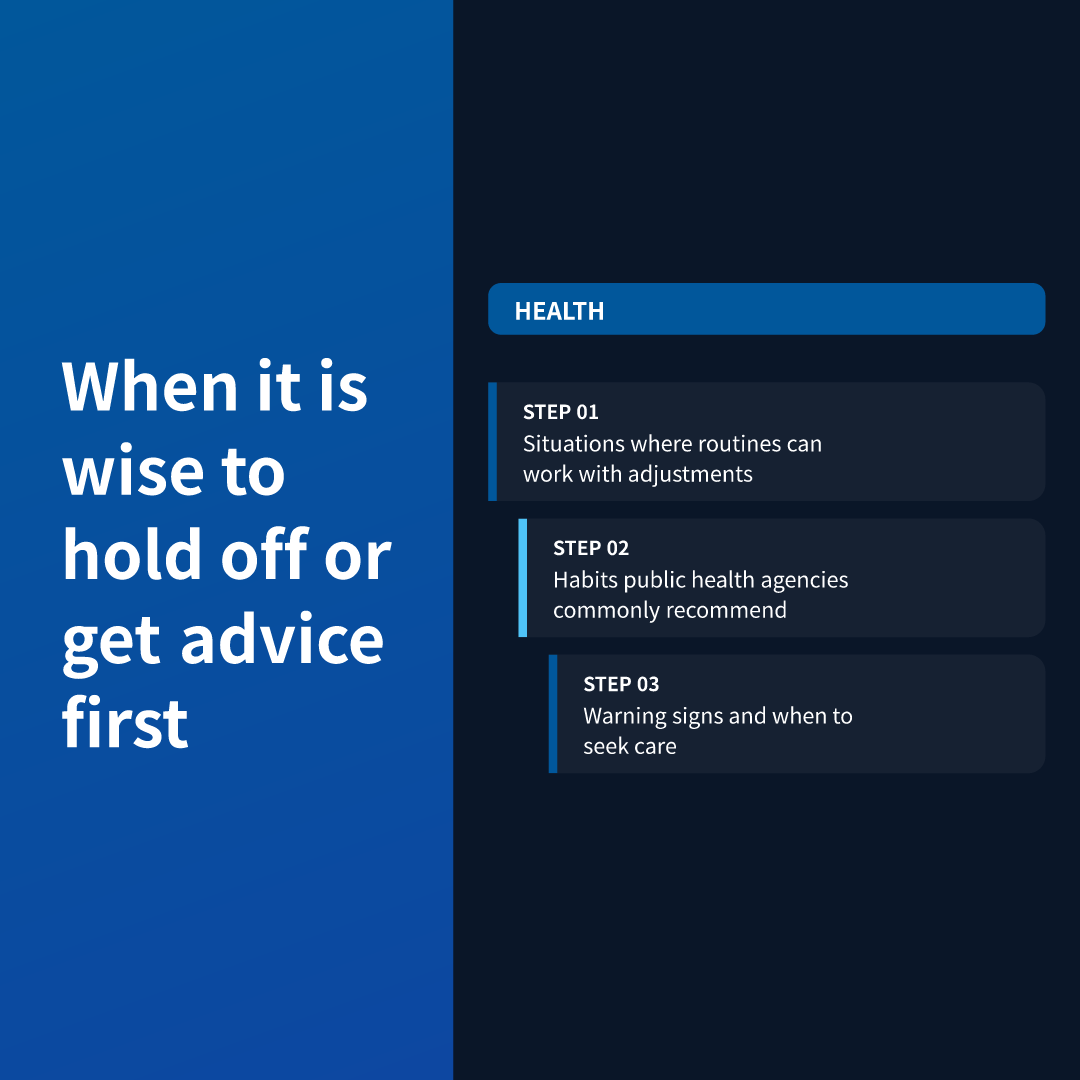
When it is wise to hold off or get advice first
Some situations call for a conversation with a health professional before you rely on general kitchen habits. The reasoning is simple: foodborne illness tends to be more serious for certain groups, so a small slip that one person shrugs off can matter much more for another. According to the U.S. Food and Drug Administration and the CDC, higher-risk groups generally include pregnant people, young children, older adults, and people with weakened immune systems.
Pregnancy
Pregnancy changes how the body responds to certain germs, and some foodborne infections can affect the pregnancy as well as the parent. The FDA and CDC describe a list of foods that deserve extra caution during pregnancy, such as unpasteurized dairy products, some deli meats, and raw or undercooked animal foods. Because advice can depend on your health history and stage of pregnancy, your prenatal care provider is the right person to ask about your specific diet.
Infants and young children
Young children have developing immune systems and smaller bodies, so illness that causes vomiting or diarrhea can become a concern more quickly. Certain foods are commonly flagged for this age group, including raw honey for babies and unpasteurized products. A pediatric clinician can explain what fits your child's age and feeding stage.
Weakened immune systems and chronic conditions
People receiving cancer treatment, those with organ transplants, and people with some chronic conditions such as diabetes or kidney disease may be more vulnerable to food-related infections. Certain medicines that lower immune activity can add to this. If this describes you or someone you cook for, it is worth asking your care team which foods and habits they want you to avoid.
Active illness in the kitchen
Someone who currently has vomiting, diarrhea, or an infected cut on the hands can spread germs to food and to other people. Public health guidance commonly advises that people with these symptoms avoid preparing food for others until they recover. If symptoms are severe or last, that is a reason to contact a clinician rather than wait it out.
Situations where routines can work with adjustments
Many households fall somewhere in the middle. They are not high risk, but they have a few circumstances that make a bit of extra attention worthwhile. In these cases the usual habits still apply, and the details matter more.
Cooking for a mixed household
If you feed a toddler, a grandparent, and a healthy adult at the same table, the most cautious person's needs often set the standard for the meal. That can mean choosing fully cooked options for everyone rather than preparing separate versions. It also keeps the kitchen simpler, which tends to reduce mistakes.
Leftovers and meal prep
Batch cooking is convenient, but food that sits out or cools slowly gives germs more opportunity to grow. General guidance from the USDA and CDC stresses cooling food promptly and keeping cold food cold. How long a particular leftover keeps depends on the food, so official storage charts are a better reference than guesswork.
Shared or small kitchens
In a crowded kitchen, raw ingredients and ready-to-eat foods end up close together. That is where cross-contamination tends to happen, since juices and residue move easily between surfaces. Even a small kitchen can usually be arranged to keep these apart with a little planning.
Medications and diet
Some prescription medicines come with food-related instructions or interactions, and some conditions come with dietary limits. These are personal, and general kitchen advice does not cover them. Ask your pharmacist or prescriber how your medicines relate to what you eat and how food is prepared.
Habits public health agencies commonly recommend
If none of the cautions above stop you, the core habits are fairly consistent across agencies. The USDA, FDA, and CDC commonly organize them around four ideas: clean, separate, cook, and chill. They are not complicated, but they work best when they become routine rather than an occasional effort.
Clean: hands, surfaces, and produce
Washing hands with soap and water before handling food and after touching raw meat, poultry, seafood, or eggs is a standard recommendation from the CDC. Countertops, cutting boards, and utensils are also commonly cleaned between tasks. For fruits and vegetables, agency guidance generally favors rinsing under running water, and it usually advises against using soap or detergent on produce.
Separate: keeping raw and ready-to-eat apart
Raw meat, poultry, seafood, and their juices can carry germs that you do not want on salad or bread. Using different cutting boards and plates for raw and ready-to-eat foods is a widely described approach. In the refrigerator, raw items are commonly stored on lower shelves so drips do not reach other foods.
Cook: temperature matters more than color
Food that looks done is not always safe to eat, which is why agencies such as the USDA encourage the use of a food thermometer. Different foods have different recommended internal temperatures, and those figures are published by the USDA on its safe minimum temperature charts. Checking the official chart for the food you are preparing is more reliable than relying on appearance or memory.
Chill: the refrigerator and the clock
Perishable food left at room temperature gives germs time to multiply, and this happens faster in warm conditions. General guidance from the USDA and CDC is to refrigerate perishable food promptly and to thaw food in the refrigerator, in cold water, or in the microwave rather than on the counter. A refrigerator thermometer is a simple way to confirm that your appliance is actually holding a cold enough temperature.
Warning signs and when to seek care
Most mild foodborne illness passes on its own, but some cases need medical attention. The CDC describes warning signs that commonly include a high fever, bloody stools, diarrhea that lasts several days, signs of dehydration, and vomiting that prevents keeping fluids down. People in higher-risk groups may be advised to seek care sooner, so it is reasonable to call a clinician early if you are pregnant, caring for a baby, or have a weakened immune system.
If you suspect a particular food caused the illness, keeping the packaging and noting what was eaten can help health professionals. Local health departments may also want to know about suspected outbreaks, especially if several people became ill after the same meal.
Frequently asked questions
Is it okay to rely on the smell test to decide if food is still good?
No, smell and appearance are not dependable indicators. According to the USDA, many germs that cause illness do not change how food looks, smells, or tastes. Storage guidance and use-by information on the package are more useful guides.
Do I need special cleaning products for the kitchen?
Not necessarily, since general guidance focuses on washing with soap and water first and then using a sanitizing step where appropriate. Agencies such as the CDC note that cleaning and sanitizing are different steps. If you choose to use a sanitizing product, follow the directions on its label and ask a pharmacist or the manufacturer if you have questions about suitability around children or pets.
Does home food safety change if someone in the house is on medication?
It can, depending on the medicine and the condition being managed. Some treatments affect immune function or come with dietary instructions, which is why general kitchen routines may not be enough. A prescriber or pharmacist can tell you whether your household needs to adjust anything.
What should I bring up with a professional about food safety?
Share the details that shape your personal risk, because general advice cannot account for them. These include whether you are pregnant or planning to be, the ages of the people you feed, any chronic conditions, every medicine and supplement in use, and any recent episodes of food-related illness. Mentioning any foods you are unsure about, and how you store and prepare them, helps a professional give advice that fits your actual routine around basic food safety at home.
Disclaimer: This article is for informational purposes only and is not a substitute for professional medical advice, diagnosis, or treatment. Please consult a licensed professional for personal health decisions.